What Affects Stair Capping Cost
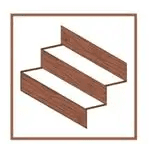
Stair capping covers existing treads and risers with a new surface rather than fully replacing the staircase, and its cost depends on step count, cap material, and how much prep the existing stairs need first. No dollar figures here — every staircase needs its own assessment.
Step count
As with any stairwork, more steps means more cap pieces and more labour hours, so total project cost scales with the size of the staircase being capped.
Cap material
Cap treads and risers come in different wood species and finishes, and material cost varies between them the same way it does for full tread replacement. Matching an existing floor can narrow the options depending on what species that floor is.
Existing surface condition
Capping works over the existing tread as its base layer, so if that layer is damaged, uneven, or has structural issues, extra prep work is needed before capping can go ahead — which affects both timeline and cost.
Nosing and edge detail
The front edge of each step (the nosing) needs to be finished cleanly where the cap meets the riser below, and more detailed or custom nosing profiles take more time than a standard square edge.
Frequently asked questions
What's the difference between capping and full renovation?
Capping installs a new surface over the existing tread and riser rather than removing them entirely, which is usually faster and involves less demolition than a full renovation. It works well when the existing stairs are structurally sound but cosmetically worn or the wrong material — see our capping-versus-replacement guide for when each makes sense.
Is capping always cheaper than full replacement?
Often, since it involves less demolition and material, but not always — it depends on the existing stairs' condition and what the cap material costs relative to a full replacement's material. We'll walk through both options during the site visit rather than assume capping is automatically the lower-cost path.
Does capping work over carpeted stairs?
Carpet, padding and any tack strips need to be fully removed first, since capping needs a solid, level surface underneath — it doesn't go directly over carpet or padding.
How long does stair capping take compared to full replacement?
Capping generally takes less time than a full tread-and-riser replacement since there's less demolition involved, though the exact timeline depends on step count and how much prep the existing surface needs.
Can capping be done on curved or winder stairs?
It's more involved than on a straight run since each cap piece needs to be shaped to an angled tread rather than cut from a standard pattern, but we do take on curved and winder capping projects — we'll flag the added time during the site visit.